


Pole Sander vs Electric Drywall Sander: 1,200+ Users Share the Truth


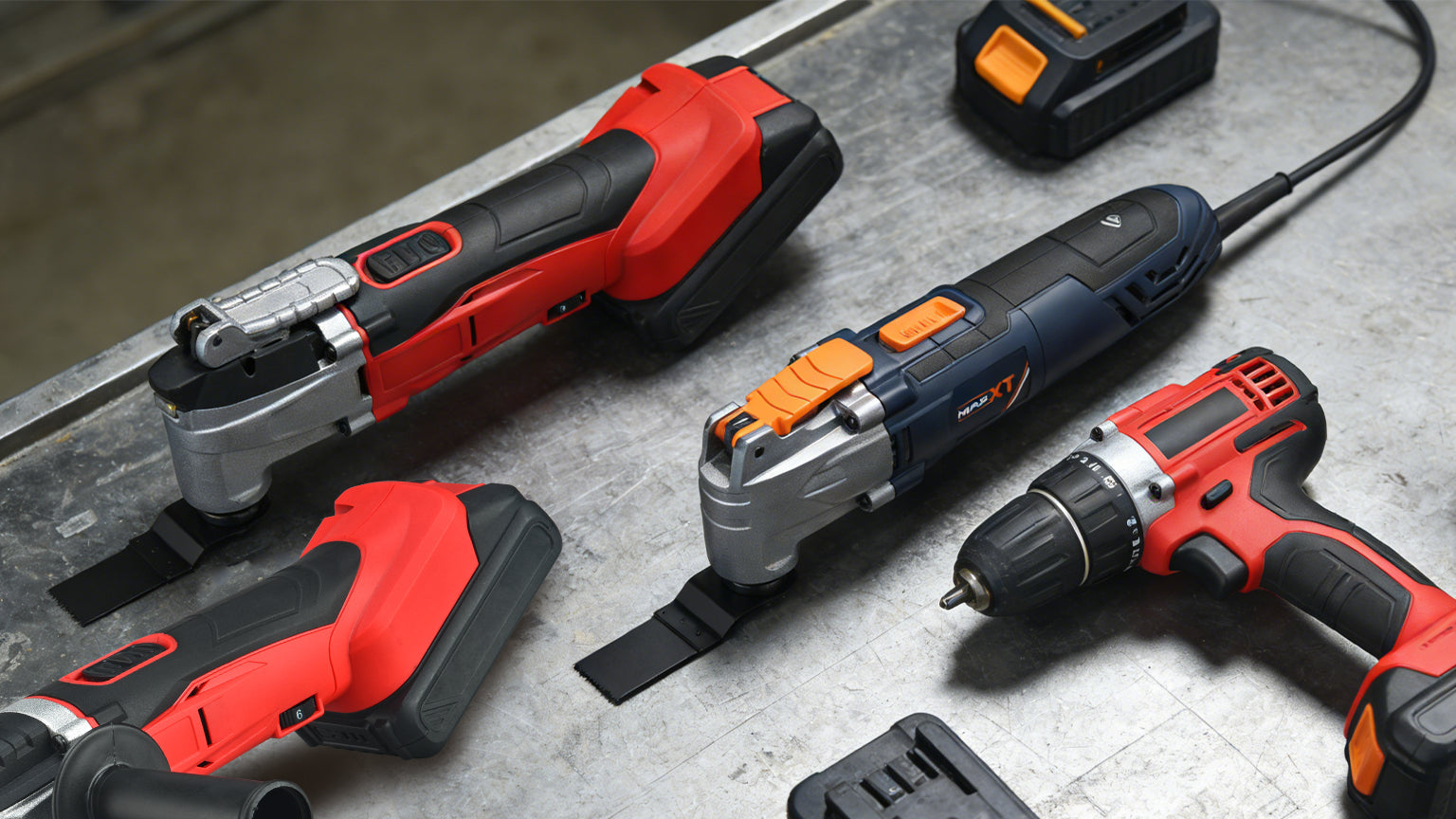
Choosing the best oscillating multi tool in 2026 begins with understanding which features matter most. Buyers should evaluate power type, motor design, blade compatibility, vibration control, and overall ergonomics. Homeowners often prefer cordless oscillating tools for convenience, while professionals benefit from brushless motors and Starlock blade systems that provide higher cutting precision. This guide explains how to choose a tool that matches your project requirements and experience level.
An oscillating multi tool is a multi purpose power tool that moves its attachments in controlled side to side motion to remove or shape material. The tool typically operates with a small oscillation angle and speeds ranging from 10,000 to 22,000 oscillations per minute. These characteristics allow users to make plunge cuts, perform precise trimming, prepare flooring, and work inside corners or tight spaces with greater accuracy than rotary tools.
Because oscillating tools remain stable against the work surface, they reduce the risk of wandering when cutting or sanding. Homeowners use them for repairs, trim adjustments, and light renovations. Professionals rely on them for electrical cutouts, tile adjustments, cabinetry work, and plumbing installations.
Choosing the right oscillating tool depends on understanding how each feature supports your work. Power type, motor technology, speed range, ergonomics, and blade interface design all influence overall performance. Evaluating these factors helps buyers identify which models are designed for occasional home use and which are suitable for heavy professional workloads.
Corded oscillating tools deliver continuous power and operate reliably during long cutting or sanding sessions. Cordless oscillating multi tools offer greater freedom of movement, especially when working overhead or in areas without nearby outlets. Shoppers who prefer cordless platforms benefit from selecting a brand that shares batteries across multiple tools.
Brushless motors provide higher torque, reduced heat, and longer operating life. These advantages make brushless designs the preferred option for daily professional use. Brushed motors remain cost effective and work well for light or medium duty tasks.
Variable speed settings help users match blade speed to different materials. Lower speeds work well on soft woods and plastics, while higher speeds support metal trimming, grout removal, and harder surfaces.
Comfortable handles, balanced weight distribution, and reduced vibration levels make a significant difference during long sessions. Since noise exposure is a safety consideration, buyers may also review OSHA’s recommended limits.
Most modern oscillating tools use either OIS or Starlock interfaces. OIS is widely compatible across many brands. Starlock systems provide stronger holding power and faster blade changes, which increase accuracy and safety during demanding work.
Durable housings, reinforced gears, and strong blade mounts improve tool longevity. These features are especially important for contractors who require dependable performance every day.
Choosing between corded and cordless models depends on runtime requirements, workspace limitations, and the type of projects you complete most often. Corded options excel when uninterrupted power is essential. Cordless models offer flexibility and reduce setup time because they do not rely on outlets or extension cords.


Corded tools provide unlimited runtime and consistent speed output. They are often lighter because they do not carry battery weight, although they do limit movement to areas near power sources.
Cordless oscillating tools are ideal for working in tight areas, on rooftops, or in rooms without accessible power. Larger battery packs increase runtime, and fast chargers help reduce downtime. Many users choose a battery platform that can also power their other maxxttools equipment.
|
Type |
Pros |
Cons |
|
Corded |
Constant power, no downtime, lighter weight |
Requires outlets, less portable |
|
Cordless |
High mobility, cleaner setup, shared battery systems |
Limited runtime, heavier with large batteries |
With these points in mind, users can decide which option supports their workflow and provides steady performance for upcoming projects.
Oscillating tool blades influence precision, heat control, and cutting efficiency. Selecting the right blade for wood, metal, tile, grout, or paint removal helps users complete tasks more safely and accurately. Understanding blade materials and shape allows buyers to choose the best accessory for each task.
Wood cutting blades perform clean plunge cuts in framing, casing, and flooring. Metal cutting blades made from bi metal or carbide trim nails, copper pipe, screws, and thin steel. Carbide grit or diamond blades work on tile and grout. Scraper blades remove adhesives, caulk, and old paint. Sanding pads handle finishing tasks and surface preparation.

OIS fits a wide range of tool brands. Starlock, Starlock Plus, and Starlock Max increase torque transfer and allow fast, secure accessory changes. Selecting the correct interface ensures stable cutting performance and increased safety.
Oscillating multi tools excel at precise work in confined spaces. Their compact design and narrow oscillation angle allow controlled cutting, scraping, and sanding along edges and corners. This flexibility makes them valuable for both small repairs and major renovation projects.
Users cut wood, drywall, metal, and PVC pipe. They remove grout during tile repairs and scrape old paint or flooring adhesive. Oscillating tools are also useful for trimming door jambs, flush cutting fasteners, and creating openings for electrical boxes.
Angle grinders remove material quickly but produce sparks, dust, and louder operation. They are better suited for heavy grinding tasks. Oscillating tools provide cleaner and safer operation, which makes them a better choice for indoor work or detailed cuts near finished surfaces.
Wear eye and hearing protection. Secure your workpiece before cutting. Adjust speed to match material hardness. Keep hands away from blade movement. Allow blades to cool between demanding cuts.
This chart highlights the differences among entry level, mid grade, and professional oscillating tools. Power ratings, oscillation speed ranges, tool weight, noise output, and blade interface compatibility affect comfort and overall cutting efficiency. Buyers who want to learn more about electric tool safety certifications can review information from UL and CE requirements.
|
Category |
Power Rating |
OPM Range |
Weight |
Noise Level |
Blade Interface |
|
Entry Level |
Moderate |
8,000–16,000 |
Light |
Medium |
OIS or Universal |
|
Mid Grade |
Strong |
10,000–20,000 |
Medium |
Medium to Low |
OIS or Starlock |
|
Professional |
High |
10,000–22,000 |
Medium to Heavy |
Low |
Starlock |

Entry level models suit occasional repairs and basic home improvement tasks. Mid grade tools support regular renovation and installation work. Professional oscillating tools deliver the highest torque, improved durability, and better vibration control for all day use.
Selecting the right oscillating multi tool in 2026 depends on evaluating how each feature aligns with your specific tasks. Homeowners may prefer cordless models for convenience, while contractors benefit from brushless motors and advanced Starlock interfaces that provide more accurate cutting performance. Blade compatibility, ergonomic comfort, and speed control all influence long term satisfaction.
Buyers can compare oscillating multi tool kits and related accessories in the maxxttools. Reviewing these categories helps users choose a tool that delivers reliable results, safe handling, and long lasting performance.
Yes. Their stable cutting motion and straightforward blade changes make them easy to learn for common household tasks.
Yes. Bi metal or carbide blades handle nails, screws, and thin metal pipes effectively when used at moderate speeds.
Corded tools provide continuous power, while cordless models offer greater mobility and a cleaner setup. The choice depends on your working conditions and task duration.
Brushless tools last longer and provide smoother cutting, which makes them ideal for frequent users and professionals.
Bi metal blades offer excellent durability because they resist tooth wear and cut both wood and light metals effectively.


